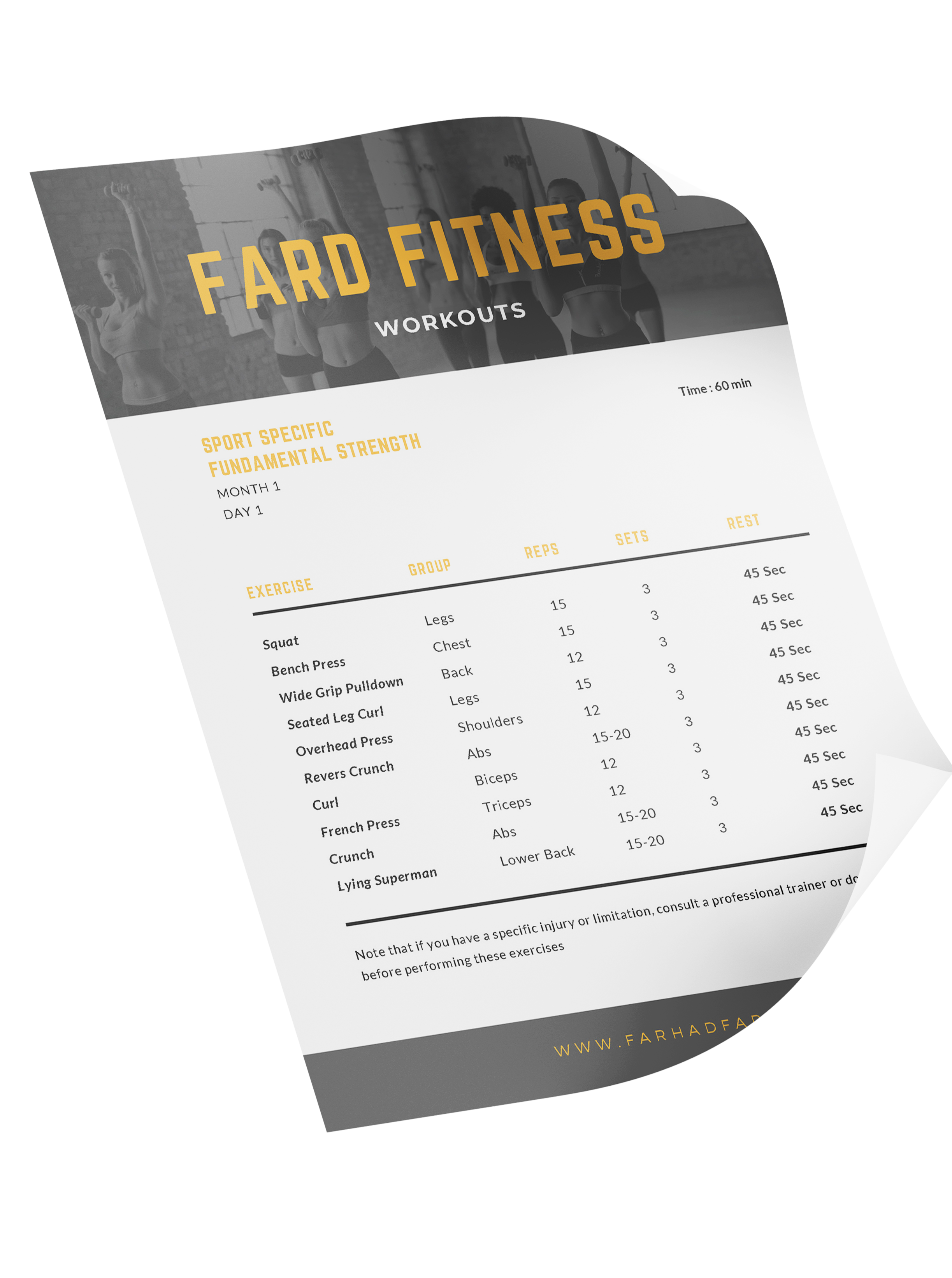
Soccer Conditioning: Boost Your Game
Introduction to Soccer Conditioning
Soccer conditioning is crucial for any player aiming to excel on the field. It involves a combination of exercises designed to enhance stamina, speed, agility, and overall physical fitness. Effective soccer conditioning helps players maintain high performance levels throughout the game, recover quickly between intense efforts, and reduce the risk of injuries.
Key Components of Soccer Conditioning
A comprehensive soccer conditioning program should address several key components to ensure peak performance:
- Cardiovascular Endurance:
- Soccer players need exceptional cardiovascular fitness to sustain energy levels for 90 minutes or more. Incorporate long-distance runs, interval training, and high-intensity interval training (HIIT) to boost cardiovascular endurance.
- Strength Training:
- Building muscle strength is essential for powerful shots, tackles, and maintaining balance. Exercises like squats, lunges, and plyometrics are vital for developing lower body strength.
- Agility and Speed:
- Soccer requires quick changes in direction and bursts of speed. Agility drills, ladder drills, and sprints can improve a player’s ability to maneuver effectively on the field.
- Flexibility:
- Flexibility exercises help prevent injuries and improve a player’s range of motion. Dynamic stretches, yoga, and foam rolling are important for maintaining flexibility.
- Recovery and Rest:
- Proper recovery is essential for muscle repair and growth. Ensure adequate rest periods and include activities like light jogging or swimming for active recovery.
Top Soccer Conditioning Exercises
1. Interval Training
Interval training is fundamental in soccer conditioning. It involves alternating periods of high-intensity exercise with low-intensity recovery. For example:
- Sprint for 30 seconds at maximum effort.
- Jog or walk for 1-2 minutes.
- Repeat for 20-30 minutes.
2. Ladder Drills
Ladder drills are excellent for enhancing footwork and agility. To perform ladder drills:
- Lay an agility ladder on the ground.
- Execute various footwork patterns, such as high knees, lateral shuffles, and in-and-out movements.
- Perform each pattern for 30-60 seconds with short rest periods.
3. Plyometric Exercises
Plyometric exercises develop explosive power and strength, essential for soccer players. Effective plyometric exercises include:
- Box jumps: Jump onto a sturdy platform and land softly.
- Depth jumps: Step off a platform and immediately jump upon landing.
- Bounds: Perform long jumps from one foot to the other, focusing on distance.
4. Core Strengthening
A strong core is vital for balance and stability. Core-strengthening exercises include:
- Planks: Hold a plank position for 30-60 seconds.
- Russian twists: Sit on the floor with knees bent, twist the torso from side to side while holding a weight.
- Bicycle crunches: Lie on your back and perform a pedaling motion with your legs while touching your opposite elbow to your knee.
5. Dynamic Stretches
Dynamic stretches are crucial for warming up before games and training sessions. Effective dynamic stretches include:
- Leg swings: Swing one leg forward and backward in a controlled manner.
- Arm circles: Make large circles with your arms to loosen the shoulders.
- Walking lunges: Step forward into a lunge, alternating legs, to stretch the hips and thighs.
Conclusion
Incorporating a well-rounded soccer conditioning program is essential for any player looking to enhance their performance on the field. By focusing on cardiovascular endurance, strength training, agility, flexibility, and proper recovery, players can ensure they are well-prepared for the demands of the game. Consistency and dedication to soccer conditioning will lead to noticeable improvements in endurance, speed, and overall game play. So, lace up your cleats and commit to a comprehensive soccer conditioning regimen to take your game to the next level.
Reviews
There are no reviews yet.